
Understanding Renal Medullary Carcinoma (RMC)
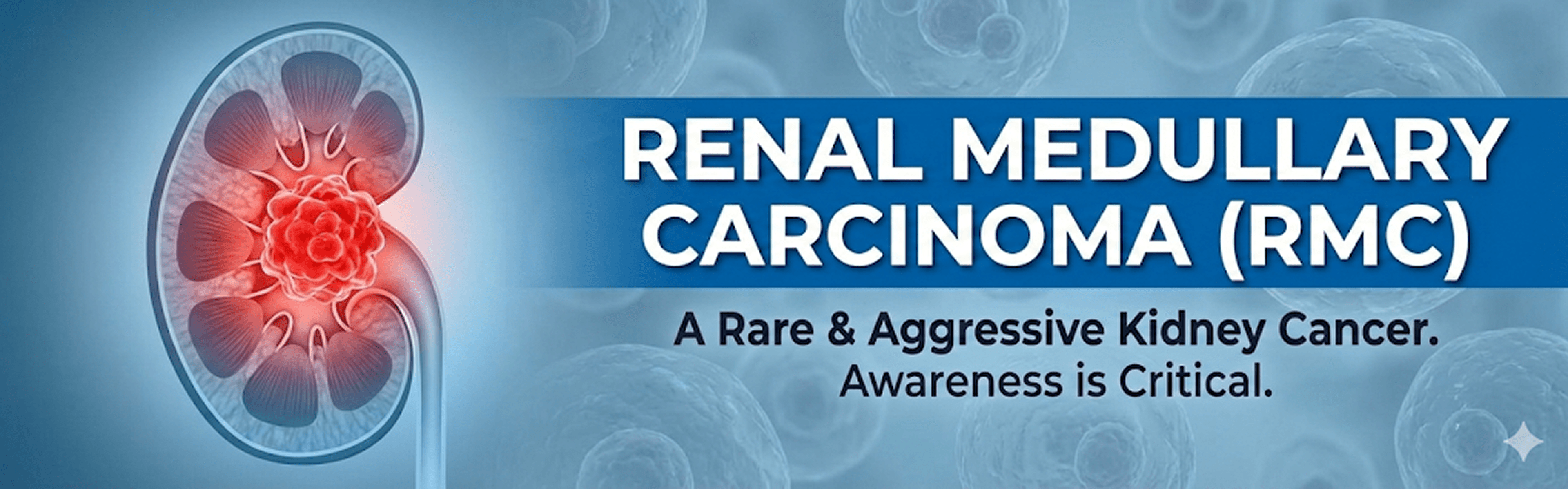
What is Renal Medullary Carcinoma (RMC)?
Renal Medullary Carcinoma (RMC) is a rare and highly aggressive form of kidney cancer. It most often affects young individuals, particularly those with sickle cell trait. Because it progresses rapidly and is difficult to detect early, RMC is often diagnosed at advanced stages.
Who Does RMC Affect
RMC is most commonly seen in:
- Individuals with sickle cell trait (and, less commonly, sickle cell disease)
- Adolescents and young adults
- People of African descent, though it can occur in anyone
Many individuals with sickle cell trait are otherwise healthy and may be unaware of their increased risk.
Why is RMC So Serious?
RMC is considered one of the most aggressive kidney cancers because:
- It grows and spreads very quickly
- Symptoms often appear late, after the cancer has already advanced
- There are currently limited effective treatment options
- Overall survival rates remain low compared to other kidney cancers
Early awareness is critical, yet RMC remains under-recognized.
Common Signs and Symptoms
Symptoms of RMC can resemble more common conditions, which contributes to delayed diagnosis. These may include:
- Blood in the urine
- Persistent lower back or flank pain
- Unexplained weight loss
- Fatigue
- Fever or night sweats
Anyone with sickle cell trait who experiences these symptoms should seek medical evaluation promptly.
How is RMC Diagnosed?
Diagnosis typically involves:
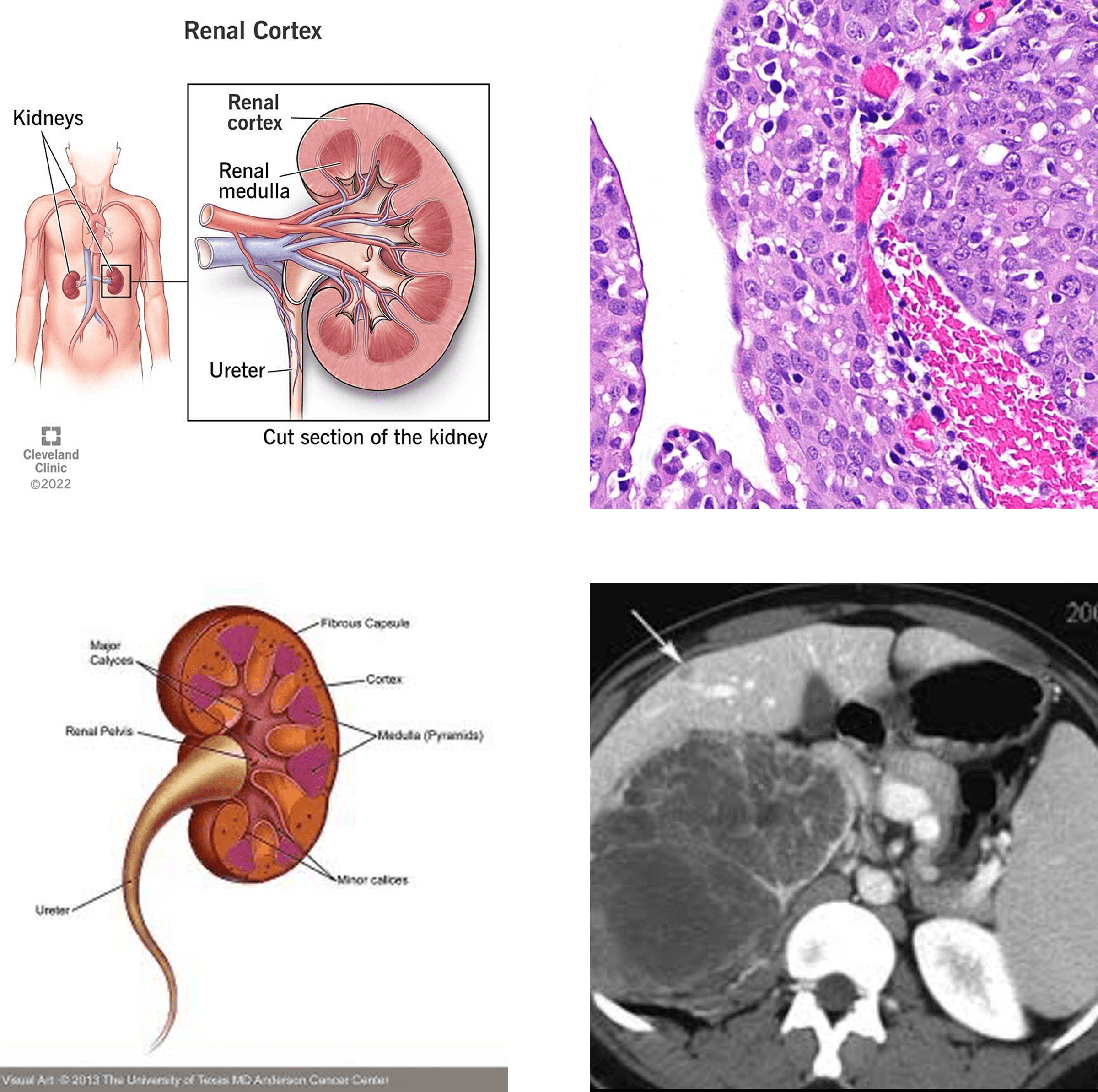
- Imaging studies such as CT scans or MRIs
- Biopsy of the kidney tumor
- Specialized pathology testing
Because RMC is rare, diagnosis may require evaluation by specialists familiar with the disease.
Current Treatment Options
There is no standard cure for RMC. Treatment may include:
- Chemotherapy
- Surgery in select cases
- Clinical trials exploring new therapies
Research is ongoing, but progress is limited due to the rarity of the disease and lack of widespread awareness.
Why Awareness Matters
Increased awareness of RMC can lead to:
- Earlier diagnosis
- Better advocacy for research funding
- Improved education for patients and healthcare providers
- Support for affected families and communities
Many lives are impacted not just by the disease, but by how little it is known.
Our Commitment
This foundation exists to honor a life lost too soon and to ensure others do not face RMC in silence. Through education, advocacy, and research support, we are committed to shining a light on Renal Medullary Carcinoma and accelerating progress toward better outcomes.
Join us in making a difference
Your support can help us reach more communities, fund life-saving research, and provide essential care to those who need it most. Every contribution matters.