
Sickle cell disease (SCD)
Introduction
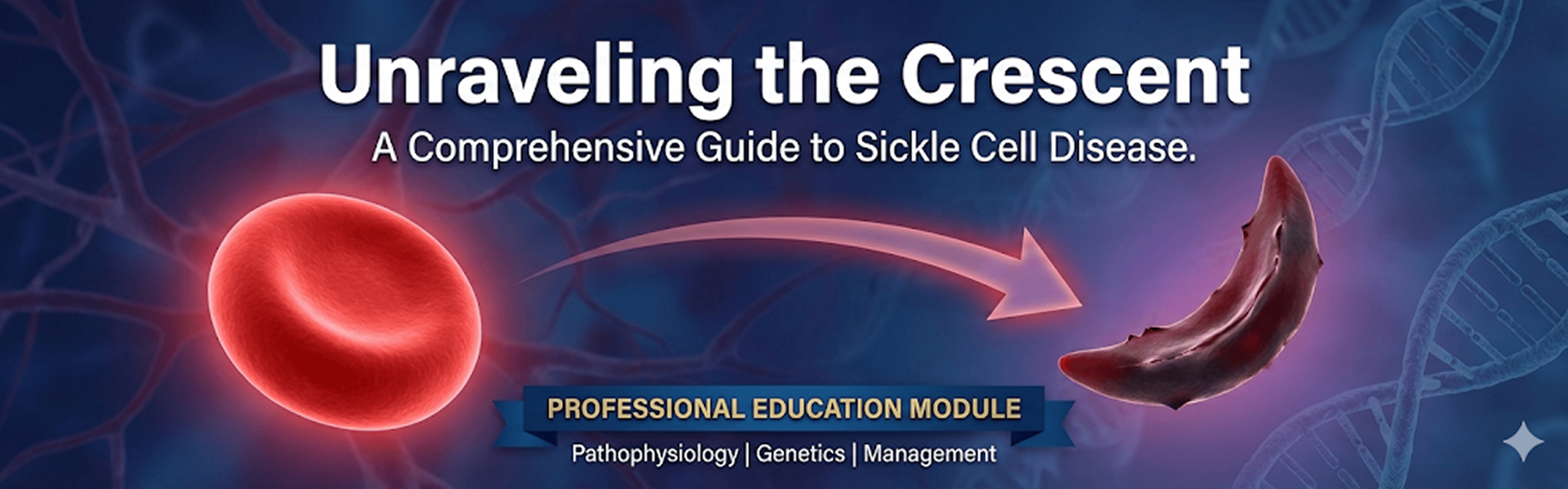
Sickle Cell Disease (SCD) is not a single ailment but a group of inherited red blood cell disorders. It is a multi-system condition that affects millions globally, characterized by the production of an abnormal form of hemoglobin, the protein in red blood cells that carries oxygen to the body's tissues. This guide provides a professional overview of the pathophysiology, genetics, clinical presentation, and management strategies associated with SCD.
The Biological Foundation: Pathophysiology
To understand Sickle Cell Disease, one must first understand the molecular mechanics of the red blood cell (RBC).
- The Defect: SCD is caused by a specific mutation in the β-globin gene. This mutation results in the substitution of the amino acid valine for glutamic acid at the 6th position of the beta-globin chain.
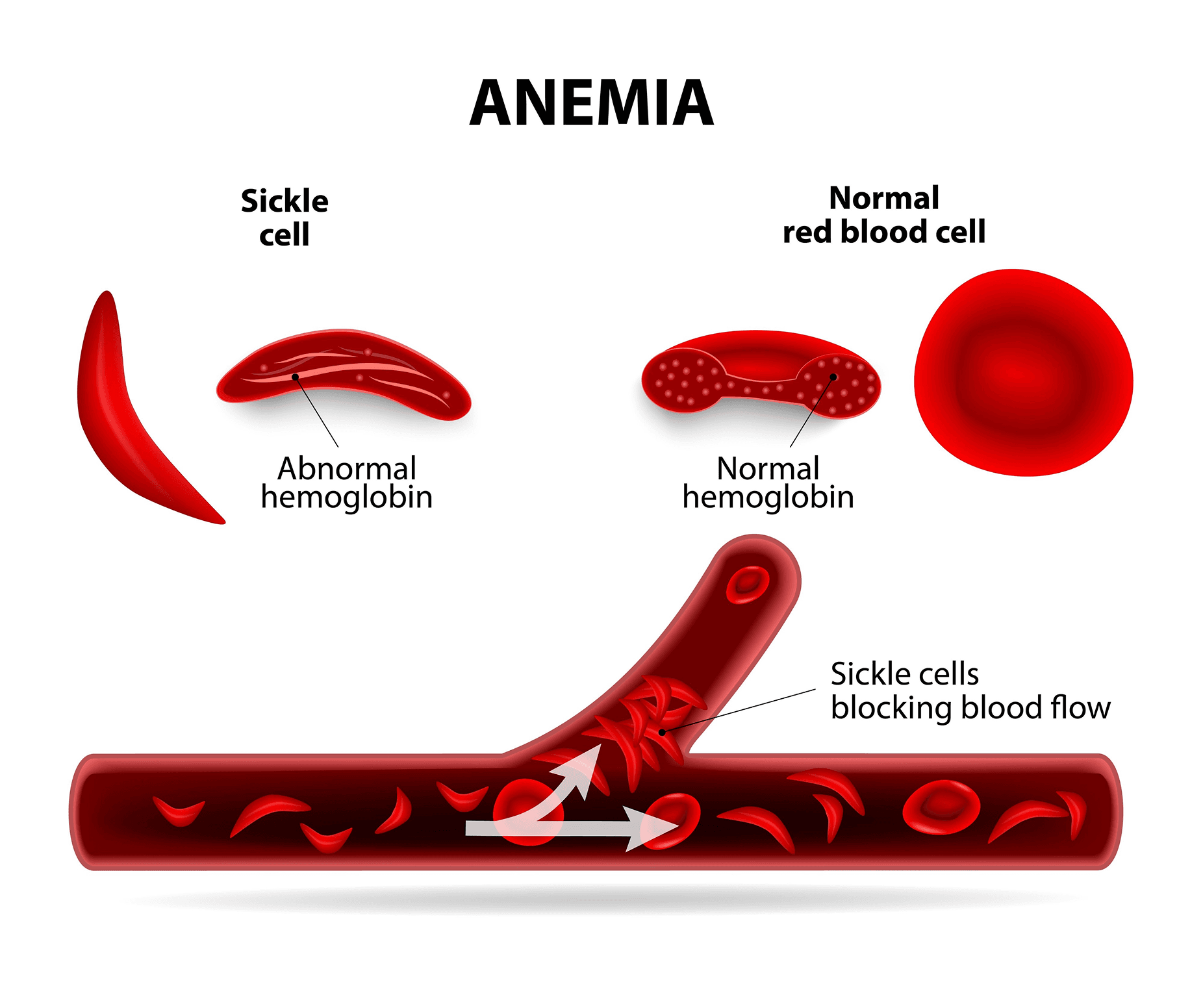
- Hemoglobin S (HbS): The mutation causes an abnormal hemoglobin called hemoglobin S. Under low oxygen conditions, it causes sickle cell hemoglobin (HbS). HbS has a crucial flaw: when it releases oxygen (deoxygenation), it becomes insoluble.
- Polymerization: Under low oxygen conditions, HbS molecules stick together, forming long, rigid rods (polymers) inside the RBC.
- The Sickling Effect: These rigid rods distort the RBC from its normal round, flexible, biconcave disc shape into a rigid, sticky, crescent or "sickle" shape.
- The Consequences: Normal RBCs live for about 120 days and move easily through blood vessels. Sickle cells only live for 10-20 days (causing anemia) and get stuck in small blood vessels, blocking blood flow (vaso-occlusion) and pam.
ANEMIA
Genetic Inheritance Patterns
SCD is an autosomal recessive disorder. This implies that the inheritance is not linked to the sex chromosomes and requires two copies of the gene to manifest the disease.
- HbAA (Normal): The individual inherits normal hemoglobin genes from both parents.
- HbAS (Sickle Cell Trait): The individual inherits one normal gene and one sickle gene. They are generally healthy "carriers" but can pass the gene to their children.
- HbSS (Sickle Cell Anemia): The individual inherits a sickle cell gene from both parents. This is the most severe form of the disease.
Note: Genetic counseling is a critical component of care for prospective parents who carry the trait, helping them understand the 25% risk per pregnancy of having a child with HbSS if both parents are carriers.
Clinical Manifestations
The clinical signs of SCD vary widely but generally fall into two categories: acute complications and chronic organ damage.
Acute Complications
- Vaso-Occlusive Crisis (VOC): The hallmark of SCD. Sickle cells block blood flow to the bones or joints, causing excruciating, sudden pain.
- Acute Chest Syndrome: A life-threatening complication resembling pneumonia, caused by infection or trapped sickle cells in the lungs.
- Splenic Sequestration: Sickle cells get trapped in the spleen, causing it to enlarge rapidly and leading to a dangerous drop in hemoglobin.
- Infection Susceptibility: Because the spleen (which filters bacteria) is often damaged early in life by sickling, patients are highly prone to infections like pneumococcus.
Chronic Complications
- Over time, the lack of oxygen leads to cumulative damage:
- Renal Failure: Damage to the kidneys.
- Stroke: Caused by blockages in cerebral blood vessels.
- Avascular Necrosis: Bone death due to lack of blood supply, often affecting the hip joints.
- Retinopathy: Damage to the blood vessels in the eye, potentially leading to blindness.
Therapeutic Strategies and Management
Management of SCD is multidisciplinary, focusing on preventing complications and treating acute episodes.
Preventive (Prophylactic) Care
- Hydroxyurea: A disease-modifying medication that prompts the body to produce Fetal Hemoglobin (HbF). HbF interferes with the polymerization of HbS, preventing the cells from sickling.
- Penicillin Prophylaxis: Given to young children to prevent severe bacterial infections.
- Vaccinations: Aggressive immunization schedules are vital to protect immunocompromised patients.
Acute Management
- Hydration: Dilutes the blood to help unelog vessels.
- Analgesia: Aggressive pain management (often opioids and NSAIDs) is critical and necessary during a crisis.
- Blood Transfusions: Used to dilute the amount of HbS in the blood and increase oxygen carrying capacity during severe complications (like stroke or acute chest syndrome).
Curative Options
- Hematopoietic Stem Cell Transplantation (HSCT): Currently the only established cure, usually involving a bone marrow transplant from a matched sibling.
- Gene Therapy: Emerging treatments that aim to genetically modify the patient's own stem cells to produce healthy hemoglobin.
Join us in making a difference
Your support can help us reach more communities, fund life-saving research, and provide essential care to those who need it most. Every contribution matters.